


Rotary Screw vs. Piston Air Compressors: Which Is Right for Your LA Shop in 2026? | Air Compressor Dealers Guide
Choosing the right compressor is one of the most important decisions an LA shop owner can make, and understanding rotary screw versus piston models can save time, money, and headaches. The right answer usually comes down to how hard you run your equipment each day. Consulting experienced air compressor dealers serving Los Angeles, CA, is a smart step.
What Is a Rotary Screw Compressor?
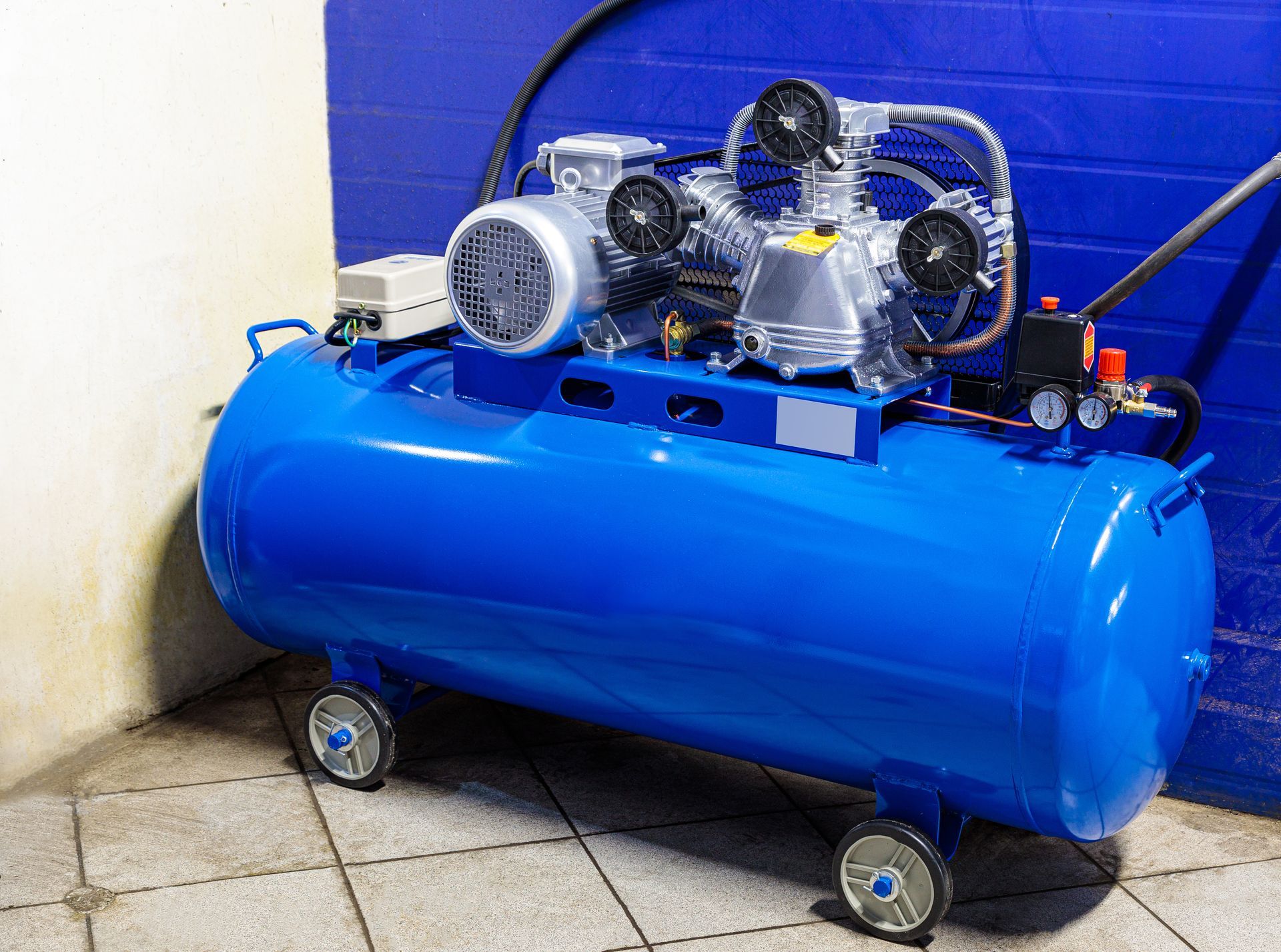
Rotary screw compressors run continuously, a strong fit for high-demand shops. Two interlocking screws compress air in a smooth, steady flow, with minimal heat buildup and vibration compared to piston units.
For busy shops near the 405 corridor, that continuous duty cycle matters. Air-hungry tools like DA sanders, spray guns, and chassis lifts need consistent CFM output all shift. A rotary screw unit delivers that without cycling on and off.
The trade-off is cost. Rotary screw units carry a higher upfront price and require specialized service. For many LA shops running two or more bays, long-term energy savings offset that investment.
When Does a Piston Compressor Make More Sense?
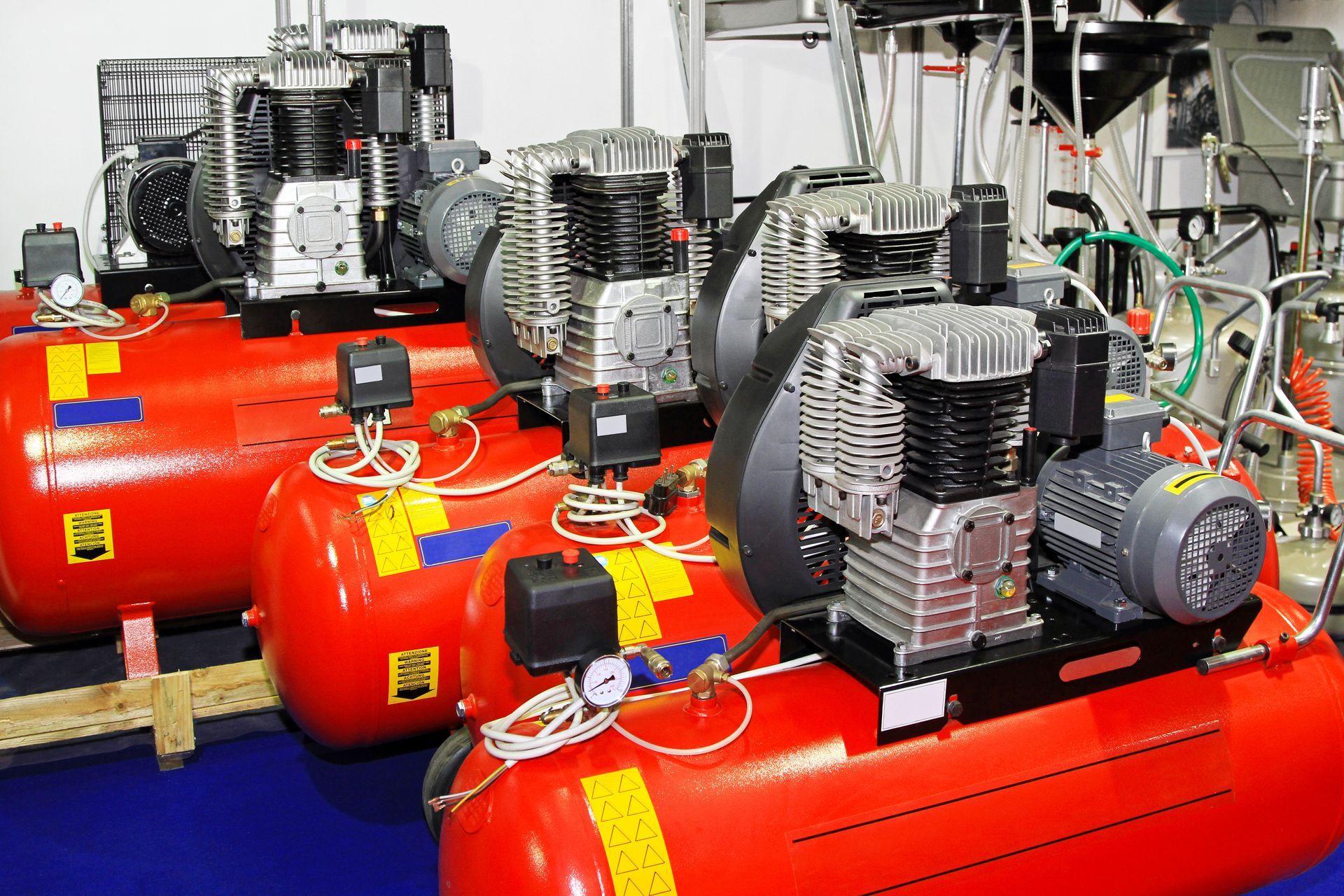
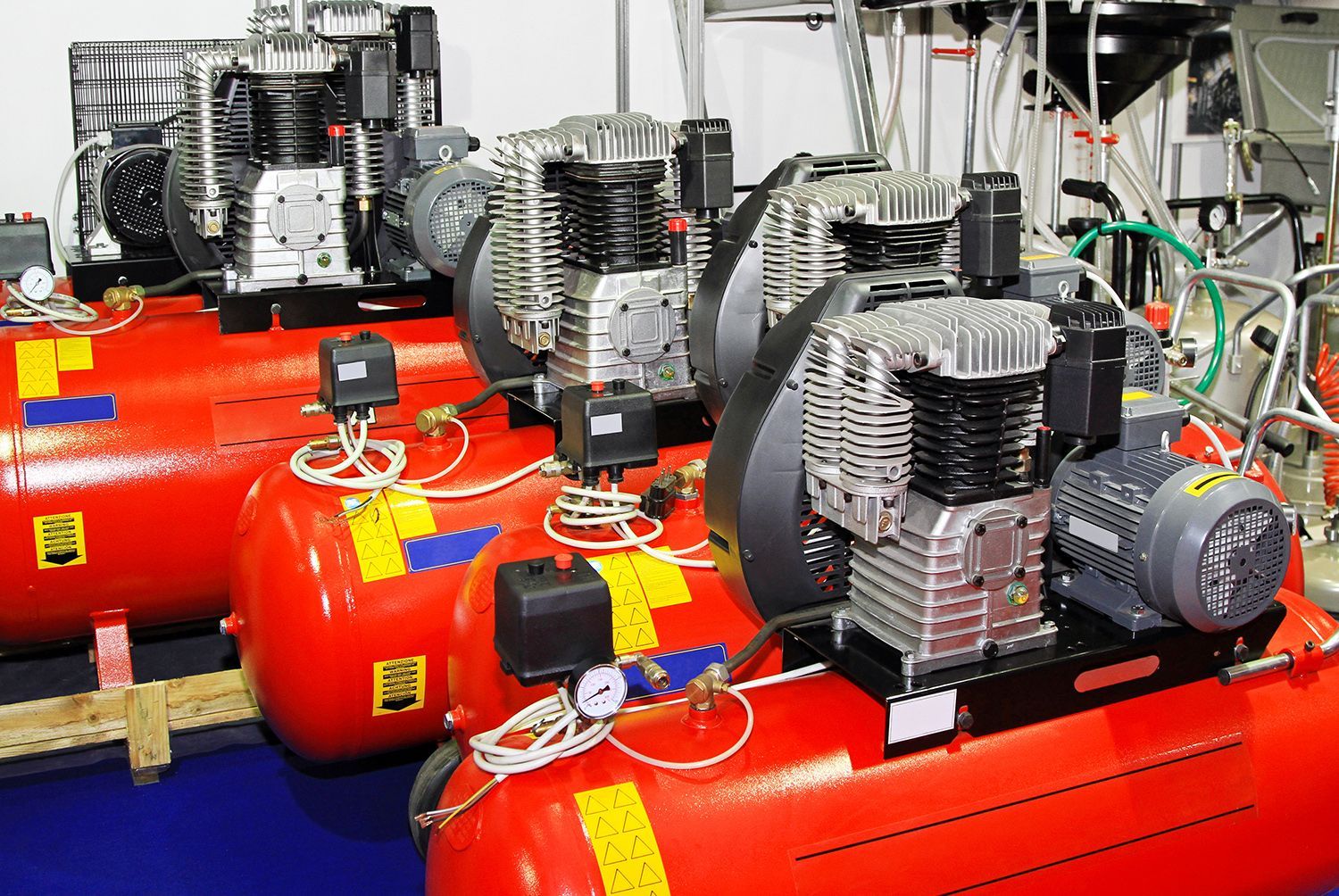
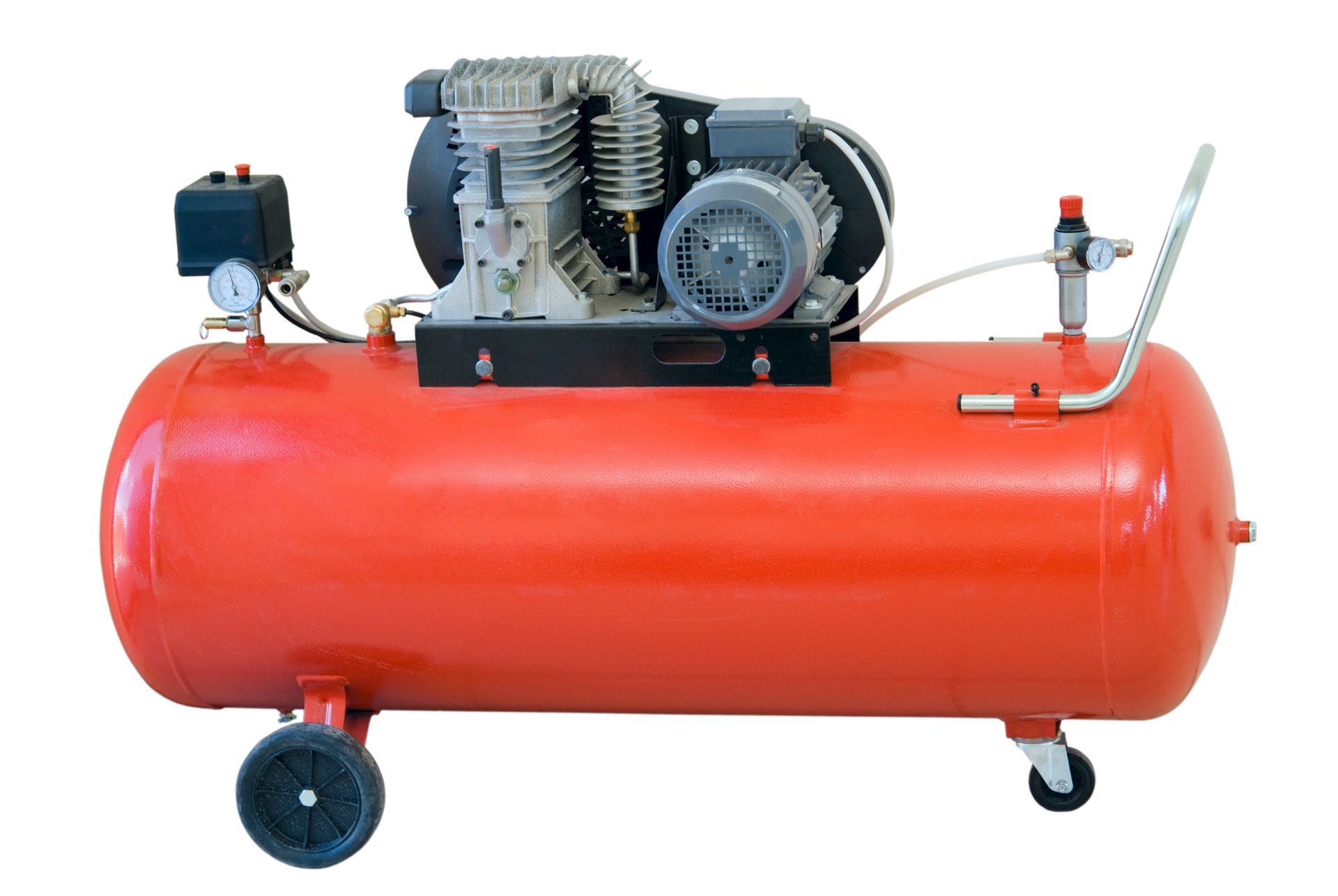
Piston compressors are the smarter choice for smaller shops with lighter, intermittent air demand. They compress air in cycles and rest while tank pressure holds, which works well for tools used in short bursts.
For a one- or two-bay shop in the Valley, a quality piston unit handles tire inflation, impact wrenches, and spot painting without breaking the budget. Upfront costs are lower, and routine maintenance is something many owners manage in-house.
The key limitation is duty cycle. Piston compressors are typically rated for 50 to 75 percent. Push them beyond that in a hot Valley summer, and wear accelerates.
Which Type Do Most LA Shops Choose?
Most mid-to-large LA shops lean toward rotary screw units when throughput is a priority. Here is a comparison:
- Duty Cycle: Rotary screw - 100% continuous; piston - 50-75% intermittent.
- Upfront Cost: Rotary screw - Higher; piston - Lower.
- CFM Output: Rotary screw - High and steady; piston - Moderate, cyclical.
- Maintenance: Rotary screw - Specialized service; piston - DIY-friendly.
- Best For: Rotary screw - Multi-bay, high-volume shops; piston - Smaller, lighter-use shops.
- Noise Level: Rotary screw - Generally quieter; piston - Louder under load.
Southern California's warm climate is also a factor. Compressors in the San Fernando Valley can experience heat-related stress in summer, making thermal management important for piston units near their duty cycle limits. Reputable air compressor dealers in the LA region can recommend models with thermal protection for local conditions.
What CFM Do I Need for My Shop's Air Tools?
Most impact wrenches require 5 to 8 CFM at 90 PSI, while spray guns can demand 10 to 20 CFM. Add up the CFM of all tools you might run simultaneously, then add a 25 percent buffer when sizing your compressor.
How Often Do Air Compressors Need Servicing in LA?
Regular service includes draining tank moisture, checking oil levels, and inspecting filters and hoses. In Southern California's dusty environment, filter checks may be needed more often. Explore air compressors service and product options to understand available maintenance support.
Get Expert Guidance Before You Buy
Airdraulics Inc. has served automotive shops, body shops, and industrial facilities across greater Los Angeles since 1986, providing sales, installation, and support for both rotary screw and piston systems. As trusted air compressor dealers in Los Angeles, CA, the Airdraulics team brings decades of hands-on experience to every recommendation. Call
818-982-1400 or
contact the team directly
for guidance tailored to your shop's needs.






 13261 Saticoy St.